Heavy Engineering Packaging Services in Mumbai
Europack - Mumbai, Maharashtra, India
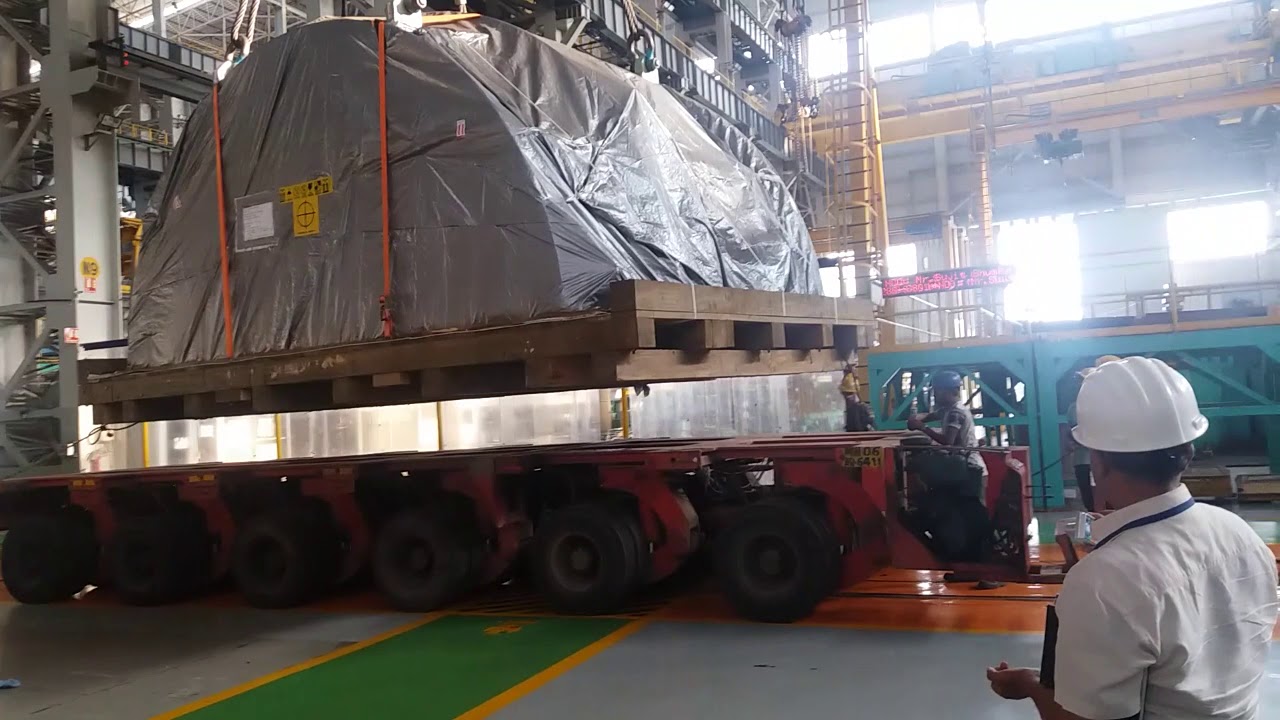
Heavy engineering packaging represents one of the most technically demanding segments within industrial logistics, requiring specialized expertise in handling, protecting, and transporting equipment that weighs from hundreds of kilograms to hundreds of tons. Europack has established itself as Mumbai's premier heavy engineering packaging specialist over 32 years, serving manufacturers of industrial machinery, turbines, generators, transformers, pressure vessels, and complex assemblies destined for domestic projects and international exports. Our packaging solutions address the unique challenges of protecting high-value capital equipment during multi-modal transportation involving road, rail, sea, and sometimes air freight across varying environmental conditions and handling scenarios.
The complexity of heavy engineering packaging extends far beyond simply building a large crate. Engineers must calculate load distribution, determine optimal lifting points, design internal bracing that prevents movement without applying stress to sensitive components, specify materials that provide adequate protection while remaining within transportation weight limits, and ensure compliance with international shipping regulations including ISPM 15 fumigation requirements and dangerous goods classifications when applicable. Europack's technical team works directly with equipment manufacturers, understanding machine specifications, fragile components, environmental sensitivity, and installation requirements at destination to engineer packaging solutions that deliver equipment ready for commissioning rather than requiring extensive repairs upon arrival.
Our heavy engineering packaging infrastructure accommodates an exceptional range of equipment dimensions and weights through specialized facilities and equipment investments:
| Package Category | Weight Capacity | Max Dimensions | Typical Equipment |
|---|---|---|---|
| Medium Heavy Machinery | 500kg - 5 tons | 3m × 2m × 2m | CNC machines, pumps, compressors |
| Large Industrial Equipment | 5 - 20 tons | 6m × 3m × 3m | Turbines, generators, large valves |
| Heavy Project Cargo | 20 - 50 tons | 12m × 4m × 4m | Transformers, pressure vessels |
| Super Heavy Cargo | 50+ tons | Custom engineered | Industrial boilers, large reactors |
Every heavy engineering packaging project begins with detailed equipment analysis and transportation planning. Our process starts with site visits to manufacturing facilities where we document equipment dimensions including protruding components, lifting eye locations, center of gravity position, sensitive areas requiring protection, and disconnectable elements that might be removed for transport. We photograph equipment from multiple angles and create dimensioned sketches forming the basis for packaging design. This field survey identifies challenges such as doorway clearances limiting crate dimensions, floor loading limits affecting package weight, and overhead crane capacities determining lifting restrictions.
Following survey completion, our engineering team develops packaging concepts considering transportation mode requirements. Sea freight allows larger, heavier packages since container dimensions and weight limits provide generous parameters. Road transport imposes stricter limits—packages must fit within 12-meter trailer lengths, stay under 4-meter heights for bridge clearances, and remain within axle load limits preventing road damage penalties. Air freight demands extreme weight optimization since air cargo rates charge per kilogram, making heavy packaging economically prohibitive. Rail transport offers generous size accommodation but requires packages withstand coupling shock loads during train assembly operations.
The engineering output includes detailed fabrication drawings showing every wooden member dimension, bracing configuration, lifting point locations, and assembly sequence. Material specifications define wood grades, fastener types, and protective materials. Load calculations verify structural adequacy under transportation loads including 2G vertical acceleration simulating rough road conditions, 1G lateral loads from sharp turns, and racking forces from uneven support during handling. For equipment exceeding 10 tons, finite element analysis may be performed validating frame strength and identifying potential failure points before fabrication begins.
Heavy engineering packaging employs industrial-grade materials far exceeding standard packing specifications:
| Material Type | Specification | Application | Key Properties |
|---|---|---|---|
| Structural Timber | 100×100mm to 150×150mm hardwood | Load-bearing frames, base skids | High compressive strength, ISPM 15 treated |
| Marine Plywood | 18-25mm BWP grade | Crate panels, protective covers | Moisture resistant, dimensionally stable |
| Steel Reinforcement | MS angles, channels | Heavy load corners, lifting points | Extreme strength, weldable |
| VCI Materials | VCI paper, poly, emitters | Corrosion protection of metal parts | Volatile corrosion inhibition |
| Shock Absorption | Closed-cell foam, rubber pads | Vibration isolation, impact protection | Energy absorption, recoverable |
Europack provides complete on-site packing services at customer manufacturing facilities, eliminating the need to transport unprotected equipment to external packing yards—a critical advantage for extremely heavy or oversized machinery. Our mobile teams arrive equipped with portable tools, materials, and measuring equipment to execute packaging operations at customer premises. This on-site capability offers multiple benefits: equipment remains in manufacturer's controlled environment until fully protected; factory crane systems can be used for heavy lifting operations; manufacturer's technical staff remain available for consultation during packing; and the critical path to equipment delivery is shortened by eliminating double handling.
A typical on-site operation begins with final equipment inspection in collaboration with the manufacturer's quality team, documenting equipment condition through photographs and inspection reports that establish baseline status before packaging begins. Our technicians then position the base skid or frame beneath the equipment using factory floor cranes, securing equipment through properly engineered attachment points. Internal bracing installation follows, with wooden spacers, foam cushioning, and strapping systems preventing any equipment movement while avoiding pressure on delicate surfaces or components. The crate structure is assembled around the secured equipment, with each panel installation checked for alignment and proper fastening before proceeding. Finally, moisture barriers, VCI protection, and weatherproof coverings complete the package.
Europack's heavy engineering packaging expertise serves diverse industrial sectors. The power generation industry requires packaging for turbines, generators, transformers, and switchgear—equipment characterized by extreme weights, precision-balanced rotating assemblies, and high-voltage components demanding electrical isolation during transport. Wind energy projects involve packaging large turbine nacelles, tower sections, and blade assemblies with unique dimensional challenges. The oil and gas sector needs packaging for wellhead equipment, pressure vessels, compressor modules, and processing equipment often destined for remote locations with limited handling infrastructure.
Process industries including chemical, pharmaceutical, and food processing export custom-manufactured equipment such as reactors, distillation columns, mixing vessels, and processing modules. These packages must prevent contamination while accommodating complex piping systems, instrumentation, and control panels integrated into equipment assemblies. The mining and minerals processing sector ships crushing equipment, conveyors, screens, and heavy-duty pumps to project sites worldwide, where packages must survive rough handling at remote ports and transportation over unpaved roads to mine sites.
International shipment of heavy engineering equipment involves complex regulatory compliance. ISPM 15 phytosanitary requirements mandate heat treatment or fumigation of all wooden packaging materials, with proper marking using approved stamps. Europack maintains fumigation certifications and documentation for all treated materials, ensuring packages meet destination country requirements. For equipment classified as oversized or overweight cargo, we prepare dimensional drawings, weight certificates, and center of gravity calculations required for shipping line approval and port authority handling permits.
Dangerous goods regulations apply when equipment contains oils, gases, or chemicals. Our team prepares Material Safety Data Sheets (MSDS), completes dangerous goods declarations, and ensures packaging meets UN specification requirements where applicable. For customs clearance, we provide detailed packing lists describing equipment, packaging materials, and gross/net weights. Export documentation includes commercial invoices, certificates of origin, and technical data sheets supporting customs valuation and duty calculations. This comprehensive documentation support eliminates delays that could result in expensive demurrage charges or missed project deadlines.
Every heavy engineering package undergoes rigorous quality inspection before shipment approval. Our inspection protocol includes dimensional verification confirming crate size matches drawings and transportation requirements, weight certification using calibrated scales documenting actual package weight, structural inspection checking all fasteners are properly tightened and bracing is secure, moisture barrier integrity testing confirming no gaps exist in protective films or VCI coverage, and marking verification ensuring all shipping marks, handling instructions, and regulatory stamps are correct and legible.
For critical equipment or challenging transportation routes, we conduct tilt testing simulating handling angles during loading operations, vibration testing using portable vibration tables to verify internal bracing effectiveness, and in some cases, drop testing from specified heights demonstrating shock protection adequacy. Test results documentation provides customers and insurers with objective evidence that packages meet protection requirements, supporting insurance claims defense should damage occur despite proper packaging.
Europack's specialization in heavy engineering packaging distinguishes us from general freight packers. Our engineering team includes mechanical engineers experienced in machinery design who understand equipment vulnerabilities and protection requirements beyond what packaging generalists recognize. We maintain relationships with specialized heavy haul trucking companies, project cargo freight forwarders, and shipping lines familiar with outsized cargo, facilitating transportation arrangements and providing customers with complete door-to-door logistics solutions rather than simply delivering a packaged item requiring customer coordination of onward transport.
Our track record includes successfully packaging and shipping some of India's largest and most complex industrial equipment. We've handled 80-ton transformers shipped to Middle East substations, complete petrochemical processing modules destined for Southeast Asian refineries, large marine diesel engines for shipyards, and turbine assemblies for power plants in Africa. This experience base means we've already solved the challenges your project might present, eliminating the learning curve and risk associated with packaging providers attempting heavy engineering projects for the first time.
How long does heavy engineering packaging typically take? Timeline depends on equipment complexity and package size. A standard 5-ton machine in a wooden crate might require 3-5 working days from design approval to package completion. Large equipment exceeding 20 tons typically needs 7-14 days for engineering, material procurement, and on-site packaging execution. Extremely large or complex projects requiring custom steel frames and extensive bracing can extend to 3-4 weeks. Rush service is available for urgent shipments, though this incurs premium charges for expedited material sourcing and overtime labor. Europack provides detailed project schedules during quotation phase, identifying critical path activities and realistic delivery dates.
Can packaging be designed for equipment requiring future disassembly? Yes, we routinely design reusable and accessible packaging for equipment needing field maintenance or installation in sections. Crates can incorporate hinged panels, removable sections, or complete knock-down designs allowing panel removal for equipment access without destroying the package. For equipment requiring installation from the top, we design lift-off roof sections. Equipment needing side access for service connections receives crates with removable wall panels. These designs do increase packaging costs compared to permanent crates but provide significant value when equipment must be partially unpacked for installation then re-protected for storage, or when packages must be opened for customs inspection then resealed for onward transport.
What happens if equipment is damaged during packaging operations? Europack maintains comprehensive general liability insurance covering potential damage during packaging operations. Our standard procedure includes pre-packing equipment inspection with photographic documentation establishing baseline condition. During packing, equipment is handled using proper lifting techniques, appropriate slings rated for load weights, and protective materials preventing surface contact damage. In the unlikely event damage occurs, we immediately notify the customer and document the incident. Our insurance covers repair costs, though such incidents are extremely rare given our experienced handling teams and rigorous safety protocols. For extremely high-value or sensitive equipment, customers sometimes request additional insurance or third-party supervision of critical operations, arrangements we readily accommodate.