MS Frame Packing Solutions in Mumbai
Europack - Mumbai, Maharashtra, India
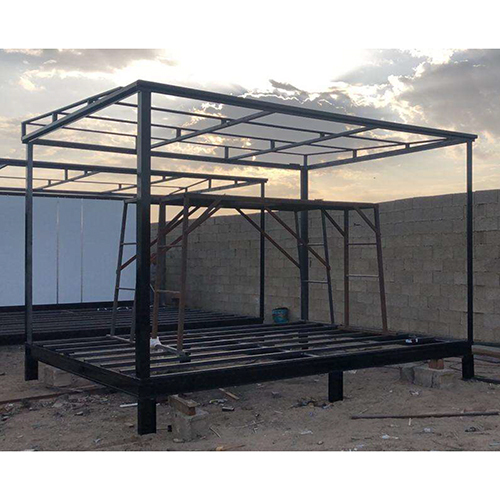
MS (Mild Steel) frame packing represents the ultimate solution for industrial equipment requiring transportation protection that exceeds what wooden crates alone can provide. These engineered steel structures create rigid frameworks capable of supporting equipment weighing from 5 tons to over 100 tons, withstanding handling forces that would destroy conventional packaging, and providing reusability that transforms them from consumable packaging into long-term logistics assets. Europack has pioneered MS frame packing system development in Mumbai's industrial corridor, serving equipment manufacturers whose products demand maximum protection coupled with handling flexibility in domestic operations, export shipments, and project cargo logistics.
The fundamental advantage of MS frame construction over wooden crating lies in structural strength per unit weight. A properly engineered steel frame achieves load-bearing capacities impossible with wood while remaining within practical transportation weight limits. Where a wooden crate supporting 30-ton equipment might itself weigh 8-10 tons, an equivalent MS frame weighs 4-6 tons while providing superior rigidity and protection. This weight efficiency becomes critical for air freight where every kilogram directly impacts shipping costs, and for overland transportation where total package weight must remain within highway load limits to avoid special permit requirements and route restrictions.
MS frame engineering begins with comprehensive equipment analysis including exact dimensions, weight distribution, lifting point locations, and sensitive areas requiring protection. Our structural engineers create 3D CAD models defining frame geometry, member sizes, joint configurations, and reinforcement placement. The design process incorporates multiple load cases: static loads from equipment weight, dynamic loads from handling operations including lifting, loading, and transportation, and environmental loads such as wind forces during outdoor storage. Finite element analysis validates frame strength, identifies stress concentrations requiring reinforcement, and confirms deflections remain within acceptable limits preventing equipment damage.
| Frame Type | Load Capacity | Construction | Typical Use |
|---|---|---|---|
| Light Frame | 5-15 tons | 50×50mm angle frame | Medium machinery, pumps |
| Medium Frame | 15-30 tons | 75×75mm angle + channel | Large machines, generators |
| Heavy Frame | 30-50 tons | 100×100mm angle + I-beam base | Turbines, transformers |
| Super Heavy Frame | 50+ tons | Custom I-beam structure | Pressure vessels, reactors |
Frame fabrication occurs in Europack's metal fabrication shop equipped with industrial cutting equipment, welding stations, and assembly areas. Material procurement begins with certified mild steel sourced from approved mills with material certificates confirming chemical composition and mechanical properties. Steel sections are cut to precise lengths using band saws or plasma cutters, with cut surfaces deburred removing sharp edges. Corner joints receive full-penetration welds creating bond strength exceeding the base metal strength, while intermediate connections use fillet welds sized according to load transfer requirements. Welded joints undergo visual inspection and for critical structures, ultrasonic testing confirms weld integrity without defects.
After welding completion, frames receive surface treatment preventing corrosion during storage and transportation. Our standard finish involves thorough degreasing removing oils and contaminants, mechanical surface preparation using wire brushing or sandblasting achieving clean steel, application of rust-inhibiting primer providing corrosion protection, and final coating with industrial enamel for enhanced durability and appearance. For frames destined for marine environments or long-term outdoor exposure, we apply hot-dip galvanizing creating a zinc coating that provides decades of corrosion resistance. Color coding using specific paint colors helps identify frames during logistics operations and simplifies inventory management for customers maintaining reusable frame fleets.
Securing heavy equipment to MS frames requires engineered attachment systems distributing loads properly without creating stress concentrations that could damage equipment. The base frame includes mounting provisions aligned with equipment lifting eyes, bolt holes, or support feet. For rotating machinery like motors and turbines, rubber vibration isolators may be interposed between equipment and frame, preventing vibration transmission that could loosen fasteners during transport. Equipment too large for direct bolting receives custom cradles welded into the frame, with shaped supports matching equipment contours and providing positive retention preventing movement in any direction.
Lashing systems provide additional security, particularly for equipment with protruding components. Heavy-duty ratchet straps rated for 5-10 ton working loads secure equipment to frame anchor points, with corner protectors preventing strap damage to equipment edges. For extremely valuable or sensitive equipment, redundant lashing provides safety margins ensuring equipment remains secure even if primary restraints fail. All attachment methods undergo load testing during initial implementation, validating that securing systems can withstand expected transportation loads with appropriate safety factors.
MS frames incorporate multiple handling features facilitating efficient logistics operations. Fork entry channels sized for standard 100mm forklift tines allow easy handling of smaller frames using conventional material handling equipment. Larger frames include lifting lug positions calculated to balance loaded equipment properly, with lug size and placement verified through lifting analysis. Crane hook engagement requires clear overhead space, so lug height and spreader bar requirements are documented in handling instructions. For extremely heavy assemblies, multiple crane lifts may be specified, with detailed rigging plans showing sling configurations and load distribution among lifting points.
| Handling Method | Capacity Range | Features Required | Advantages |
|---|---|---|---|
| Forklift | Up to 10 tons | Fork channels on base | Quick, flexible positioning |
| Crane Lifting | 10-100+ tons | Lifting lugs, spreader bars | High capacity, precise placement |
| Skidding | Any weight | Skid rails, roller compatible base | Equipment-free movement |
| Trailer Loading | Per trailer capacity | Tie-down points, loading ramps | Secure road transport |
MS frames transform packaging from single-use consumable to reusable asset generating substantial cost savings over multiple use cycles. A wooden crate costing ₹50,000 used once represents ₹50,000 per shipment packaging cost. An MS frame costing ₹200,000 but reusable for 15-20 cycles reduces per-shipment cost to ₹10,000-13,000, providing 75% cost reduction compared to disposable crating. For manufacturers with regular equipment shipments—machine tool builders, pump manufacturers, generator suppliers—MS frame investment achieves payback within months through packaging cost elimination.
Reusability requires return logistics planning. Europack assists customers establishing frame return programs, coordinating with freight forwarders to arrange empty frame transportation from delivery locations back to manufacturing facilities. Frame tracking systems using unique identification numbers monitor inventory, location, and usage history preventing loss and optimizing fleet size. Periodic maintenance inspections identify frames requiring repairs, with welding, repainting, and component replacement extending service life. Well-maintained frames can achieve 50+ use cycles, providing packaging solutions at minimal incremental cost while eliminating waste associated with disposable packaging.
Power generation equipment manufacturers rely extensively on MS frame packing for turbines, generators, and auxiliary equipment. The heavy weights and precise balance requirements of rotating machinery demand rigid support preventing distortion that could affect running clearances and cause operational issues. Transformer manufacturers use MS frames for distribution and power transformers weighing 10-100 tons, where frame design must accommodate transformer tank dimensions, bushing protection requirements, and oil containment in case of tank leakage during transport.
Process equipment including reactors, vessels, columns, and heat exchangers utilizes MS frames protecting equipment during fabrication yard to project site movement. These packages often remain on frames during installation, with frames serving as temporary structural support until equipment is positioned on permanent foundations. Mining equipment manufacturers packing crushers, screens, and conveyors benefit from MS frame robustness handling the rough conditions of mine site deliveries over unpaved roads. The oil and gas sector employs MS frames for wellhead equipment, compressor modules, and processing assemblies destined for offshore platforms or remote field locations.
Europack's MS frame engineering capability extends beyond simple fabrication to comprehensive packaging systems engineering. Our design team includes structural engineers, welding engineers, and logistics specialists who collaborate developing optimal solutions balancing protection requirements, handling constraints, and economic considerations. We maintain relationships with certified welders, NDT testing firms, and coating applicators ensuring frame fabrication meets industrial quality standards. Our fabrication facility accommodates frames up to 12 meters long and 50 tons weight, covering virtually all industrial equipment packaging requirements without outsourcing that introduces quality control challenges.
Customer support includes installation training for equipment manufacturers learning to use MS frame systems, on-site packing supervision for initial implementations ensuring correct equipment mounting and load securement, and documentation including lifting plans, transportation guidelines, and maintenance manuals. For export shipments, we coordinate with shipping lines, freight forwarders, and customs authorities addressing any concerns about non-standard packaging. This comprehensive support eliminates the trial-and-error period typical when manufacturers attempt MS frame packing without specialized expertise, preventing costly mistakes and project delays.
Can MS frames be designed for air freight? Yes, though weight optimization becomes critical since air freight charges per kilogram make heavy packaging economically prohibitive. We employ lightweight design techniques including using smaller steel sections adequate for strength requirements without excess material, strategically placing reinforcement only where stress analysis indicates necessity, using high-strength steel alloys allowing smaller sections, and eliminating non-structural components. For valuable equipment where air freight speed justifies costs, properly engineered lightweight MS frames provide superior protection compared to wooden alternatives while remaining within practical air freight weight limits. Typical air freight frames weigh 30-40% of equivalent wooden crate weight.
What happens to frames after equipment delivery? Customers have multiple options. Many manufacturers establish return programs where frames ship back empty to origin for reuse on subsequent equipment. Empty frame transportation costs far less than loaded shipments since freight rates are weight-based. Alternatively, frames can remain at destination for equipment installation support, serving as temporary structural platforms, or stored for future equipment returns requiring return shipment protection. Some customers establish regional frame pools where frames remain in geographic areas serving multiple delivery locations within that region. Europack provides frame management consulting helping customers optimize frame utilization and minimize total logistics costs.
Can existing equipment be retrofitted into MS frames? Yes, we routinely design frames accommodating equipment already manufactured and possibly stored without packaging. The design process requires access to equipment for measurements and assessment, though in many cases photographs and technical drawings provide sufficient information for initial frame design. Custom cradles and mounting provisions are fabricated matching specific equipment geometry and attachment points. Retrofitting frames to existing equipment is common for warranty returns, equipment relocations, or adding packaging to equipment originally sold for domestic use but subsequently being exported. The ability to add robust packaging to unprotected equipment eliminates need for manufacturers to maintain packaged inventory, allowing packaging to occur immediately before shipment.